La Riera de Gaià
La Riera de Gaià is a municipality located in the lower part of the Gaià valley and the river of the same name of the valley passes through it.
What to visit?
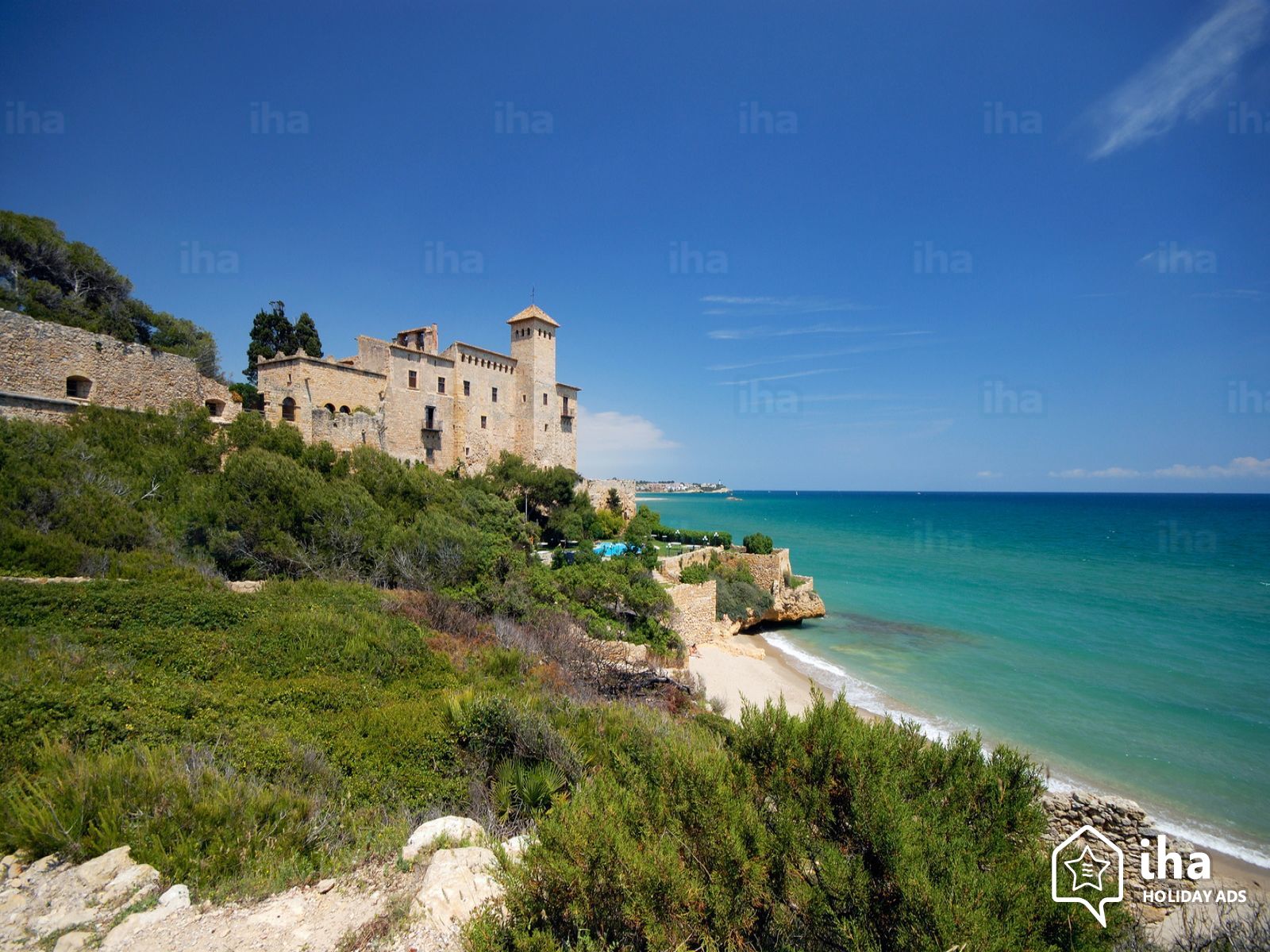
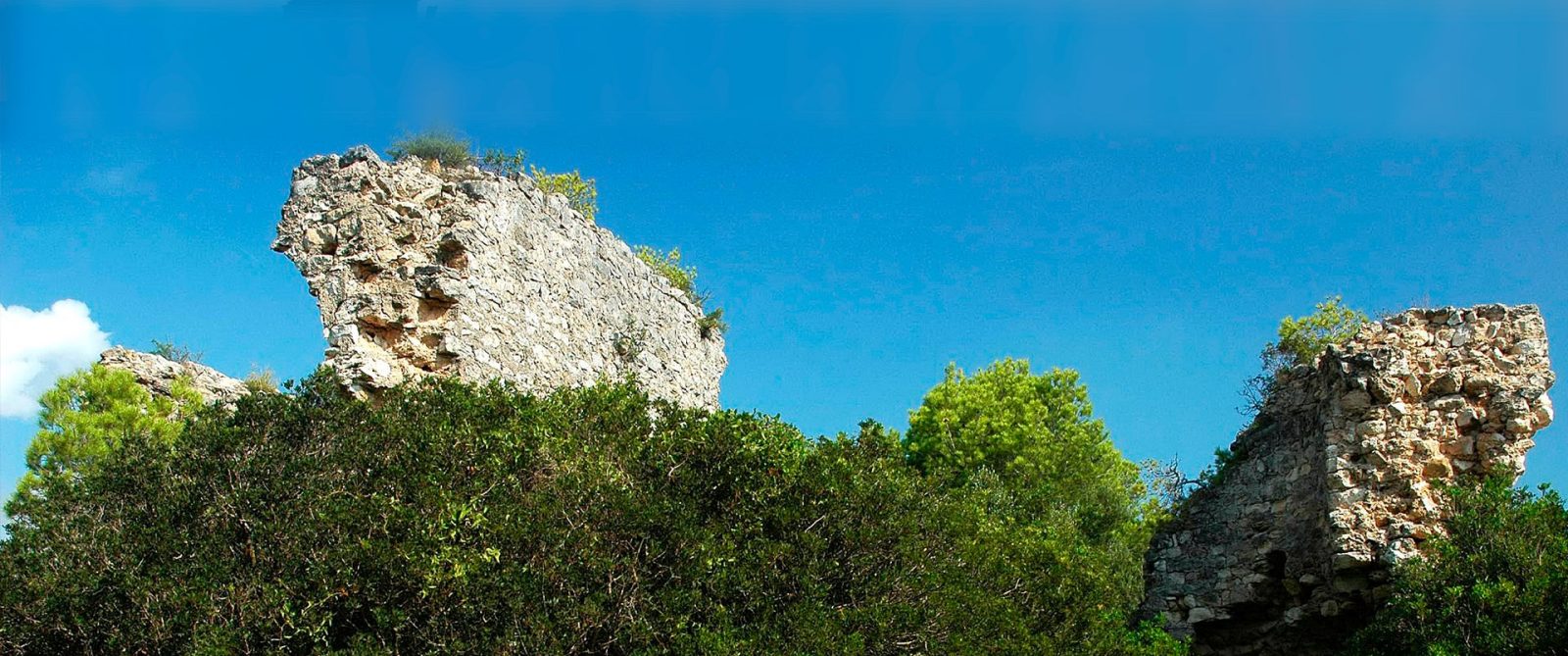
The building was badly damaged during the Spanish War of Independence although fragments of the wall are still visible. You can also see remains of a circular tower that was in the center of the castle.
The term Riera de Gaià originally brought together the following squares: Montoliu, La Riera, Virgili and Ardenya. During the 14th and 15th centuries there were many demographic losses in the square of Montoliu and in the 18th century Ardenya and Virgili lost inhabitants in favor of those from La Riera. In 1769 La Riera and Virgili merged to form the current Riera de Gaià. As a curious fact, when Gaià was growing, people could not attend Mass in Tamarit and Cardinal Cervantes de Gaeta decided in 1573 to grant a vicar with residence in La Riera and authorized them to build a cemetery and have a fountain baptismal
During the War of Independence, in terms of submission, it was integrated within the administrative unit of Altafulla. In the first Carlin war, La Riera de Gaià was characterized by its Carlism, becoming the most prominent town in all of Baix Gaià.
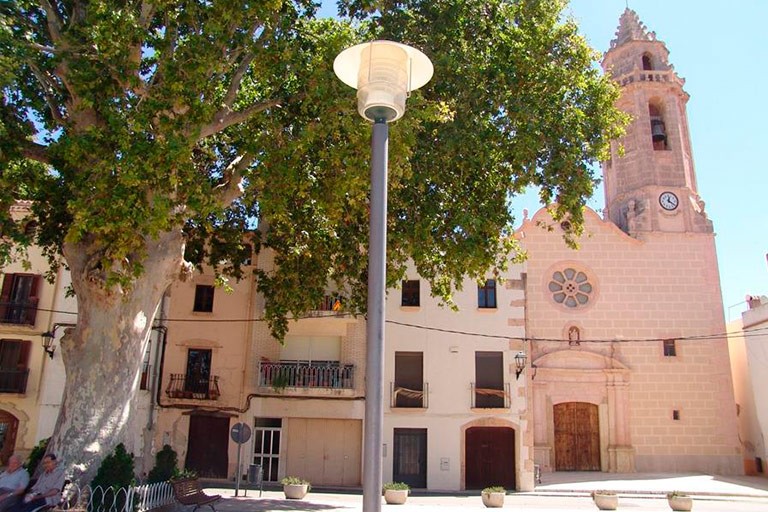
The parish church is dedicated to Santa Margarida. According to a pastoral visit of 1827, made by Archbishop Joan d'Echanove, it is mentioned in the memory of the visit, that the new church began to be built in 1788, extending the construction until 1790 and corresponds to the its chronology and for its architectural feature in the autochthonous baroque. The characteristics are the popular taste for the exuberant decoration of the facades, which makes it approach the latest Rococo trends, survival of medieval constructive solutions, such as the large rosette of the facade that comes into confrontation with the dome , baroque interior lighting element par excellence or use of the economical Catalan arch. During the middle of the 19th century, the town's population remained above a thousand inhabitants. La Riera de Gaja entered the 20th century with about 1163 inhabitants and from the seventies it began to decrease.
It is also worth noting a historical event that is still venerated today, the feast of Santa Creu on September 14. In 1809 the town suffered an epidemic and the deaths and the extent of the disease made the authorities of that time agree to invoke the help of a saint. Making three votes, Santa Cruz came out in the three votes, so they determined to invoke the saint to help them get out of the epidemic and heal them, according to oral tradition from that moment no one else got sick and in gratitude every September 14 the inhabitants of La Riera go out in the procession in memory of that event.
There has also been talk in this town of the famous gaianadas, which were caused by the rains at the end of summer and autumn. Throughout the 19th century there were three gaianadas:
Sant Bartomeu, August 24, 1842
- Sant Bartomeu, August 24, 1842
- Sant Mateu, September 21, 1850
- Santa Tecla, September 23, 1874
But the strongest was the cheering of 1921, specifically on August 17. From that storm and due to the pressure of the river, the bridge of the river Gaià broke, which was found a month later on the beach of L'Arrabassada in Tarragona, and it is obviously remembered because the consequences were devastating in terms of to infrastructures such as the bridge and crops.


Festivals and traditions
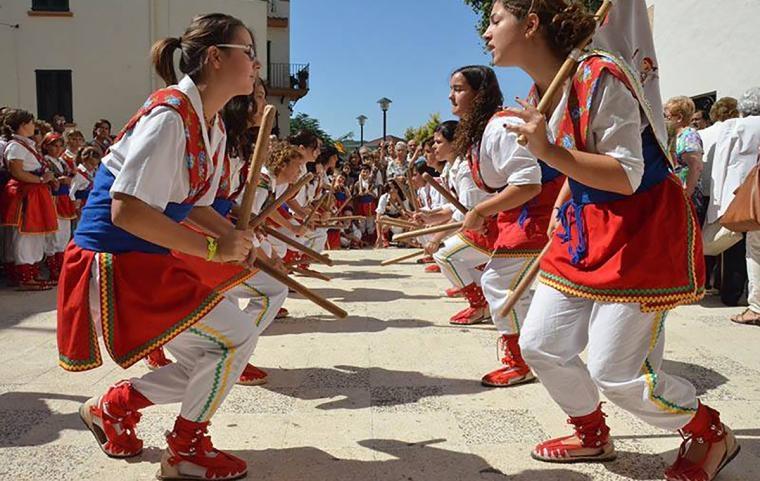
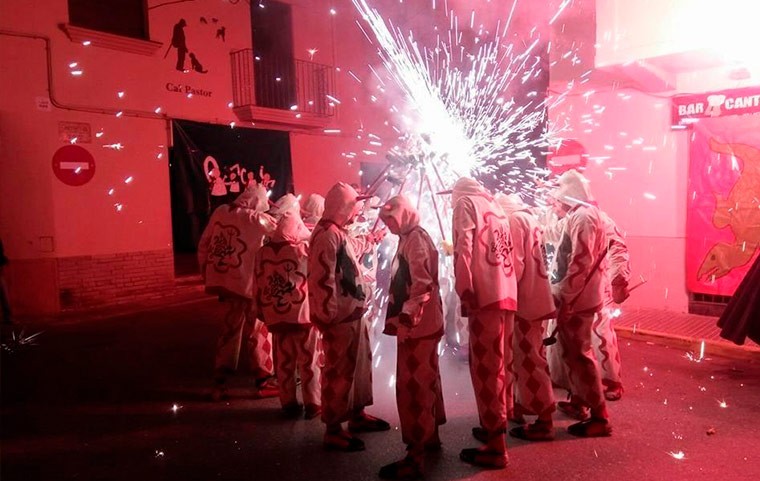
- Thursday February 6: carnival
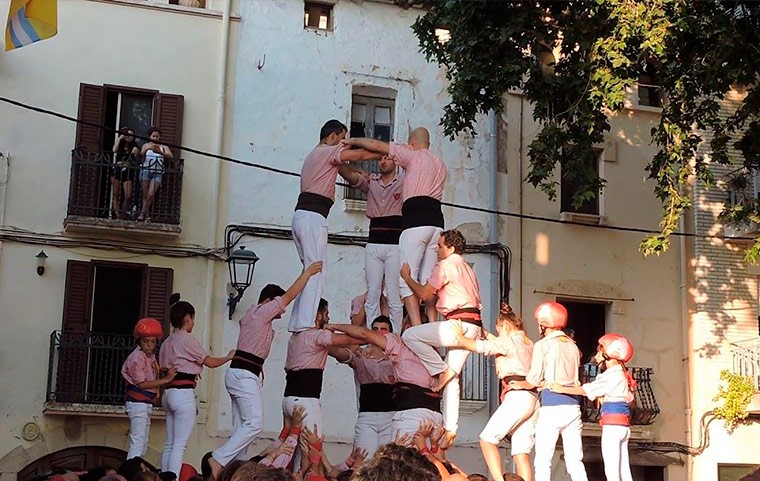
- Friday July 10: major holiday
- Friday July 17: sandwich service and bar with music
- Wednesday 22 July: traditional family games
Nearest beaches
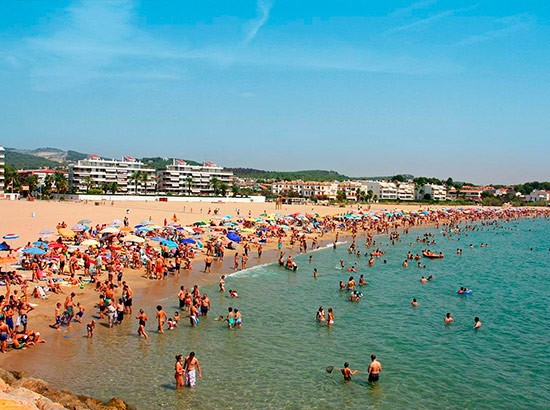
The nearest beaches of Riera de Gaià are the following:
- Torredembarra beach called Platja de la Paella
- Altafulla Beach called La Cala or Platja del Canyadell
- Roda de Berà Beach