Roda de Barà
Roda de Berà is located in a privileged area of the Costa Daurada, 20 minutes from Tarragona and close to towns such as Calafell, El Vendrell and Torredembarra.
Since Roman times, Roda de Berà has become a very important point of communication, as it was located near the ancient Via Augusta, and history and the passage of years have turned Roda de Berà into the beautiful municipality it is today leaving an indelible mark on the cultural heritage and on the character of its inhabitants.
Its spectacular beaches of fine golden sand, the attractiveness of its cultural heritage, its squares and alleys, its enchanting corners, have turned Roda de Berà into an outstanding tourist enclave on the Costa Daurada.
What to visit?
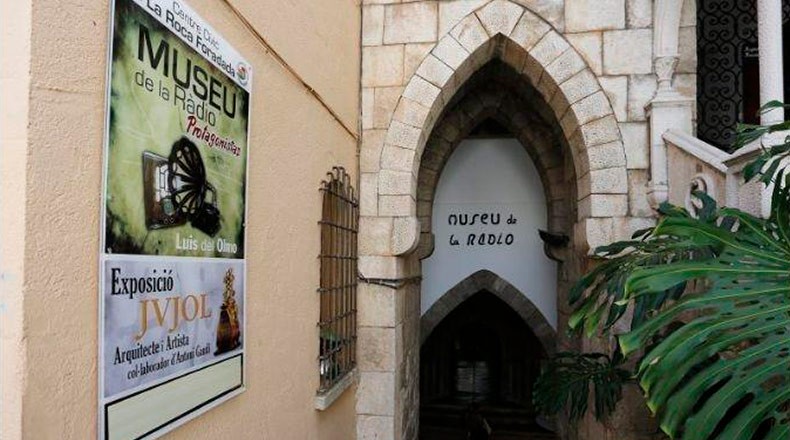
Luis del Olmo Radio Museum located in the beautiful area of Roc de Sant Gaietà (Roda de Berà), the "Luis del Olmo" Radio Museum is made up of more than 540 sets of different styles and eras from 1820 to news, as well as prizes awarded to the radio journalist throughout his career.
All the devices belong to the private collection of Luis del Olmo, pieces that the journalist has given to the City Council for the creation of this museum. It was inaugurated on June 9, 2012 and expanded with one more floor in July of 2019.
This is the first radio museum promoted by the journalist in Catalonia and the second in Spain, after the "Museo de la Radio Luis del Olmo" was inaugurated in Ponferrada in 2003.
The museum also has a room dedicated to the architect and artist Josep Maria Jujol (close collaborator of Gaudí). 6 chandeliers and a polychrome forged crucifix are on display, among other information about the artist.
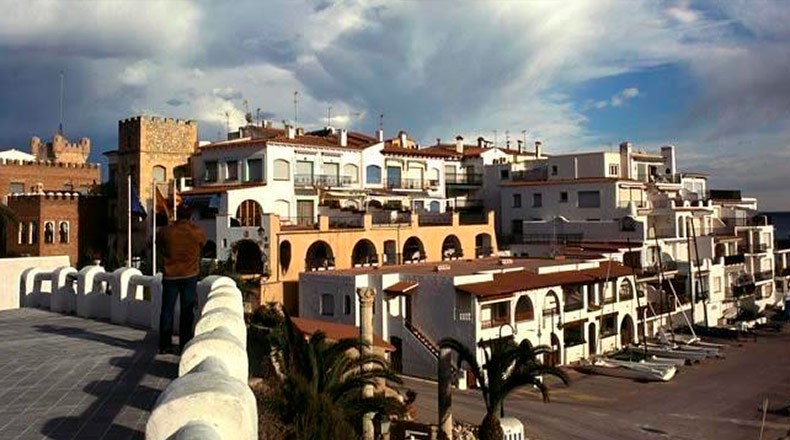
Roc de Sant Gaietà, a typical Mediterranean-style fishing village, located in Roda de Berà, in front of the sea, called "Roc de Sant Gaietà", which began to be built in 1964 and ended in 1972. The idea was an ideal complement between its promoter, Gaietà Bori Tallada, and its builder, Josep M. Fortuny Rodríguez. A Spanish-Belgian company, formed by Rene Vandemeuter and Pedro Sureda, bought several properties to build the urbanization. His idea, in principle, was to build a fishing village on the rocks.
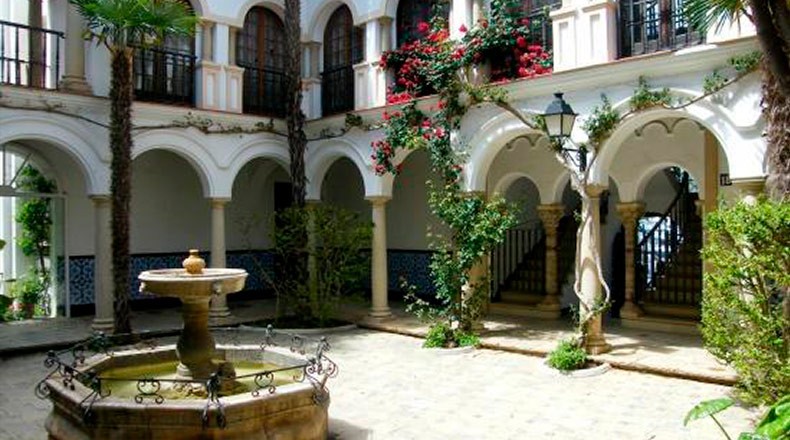
They built apartment houses on the sea front, designed in the style of the towns, they made Granada, Andalusian and Sevillian courtyards, which were complemented with constructions and ornaments in Romanesque, Arabic, Gothic and other areas of the Spanish geography, giving it an air of "typical town" to what was popularly called "Poble Espanyol". They also built a pier, which is still functioning, and the "Club Marítim Roc de Sant Gaietà", currently the "Civic Center La Roca Foradada" owned by Roda de Berà Town Council.
From the Roc de Sant Gaietà stand out the wrought iron bars and doors, the stone from the Roman quarry of Mèdol de Tarragona from the pillars and facades, as well as the frames around the windows that were recovered from old farmhouses and other types of abandoned houses. These frames, which were in very poor condition due to the passage of time, were restored by the great artist and friend Pep Gasol.
Festivals and traditions
- January 6: Kings
- April 22: Easter Monday
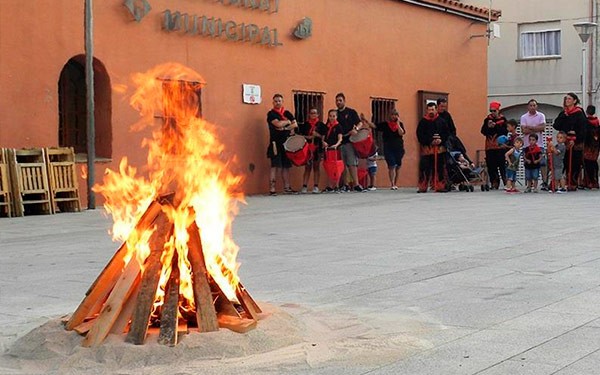
- June 24: Saint John
- August 15: the Assumption
- December 6: Constitution day
- September 11: National Day of Catalonia
- December 25: Christmas
The beach of Roda de Barà
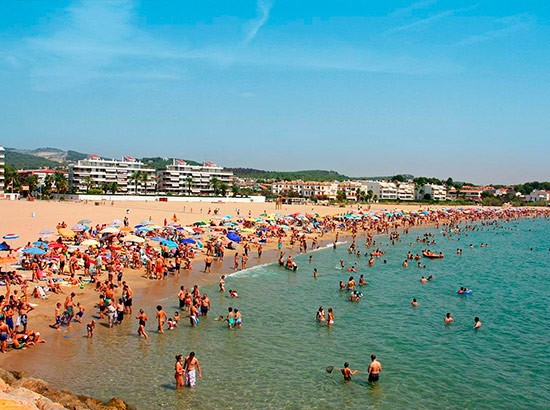
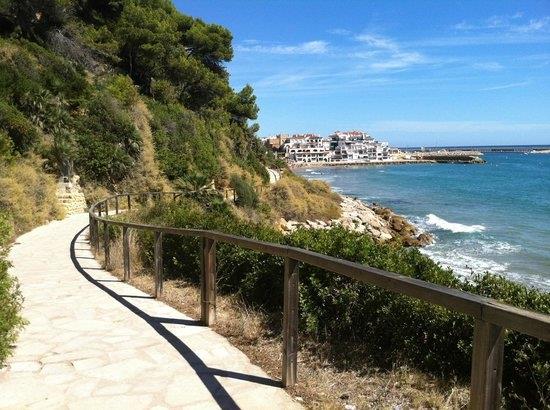
The beaches of Roda de Berà are the attraction par excellence of our municipality, together with the Passeig Marítim and the Camí de Ronda which is in a privileged environment surrounded by cliffs.
The Mediterranean climate together with the great quality of the water and sand make our beaches a quiet and charming place to enjoy the sea and nature.