Altafulla

The origins of the town of Altafulla go back to medieval times, in the middle of the 11th century. It was located on a promontory that slowly descends to the Mediterranean Sea, where, together with other fortified hills in the line of the Gaià River, they formed the southern end of the County of Barcelona. The elevated position of the locality meant a certain displacement with respect to the Roman or late Roman habitation of the Roman villa of Els Munts, on the edge of the Mediterranean, and provided more protection with respect to the coast. Thanks to this situation, the fortress became domineering of the surroundings, and, at the same time, the Via Augusta became the great communication artery of the territory.
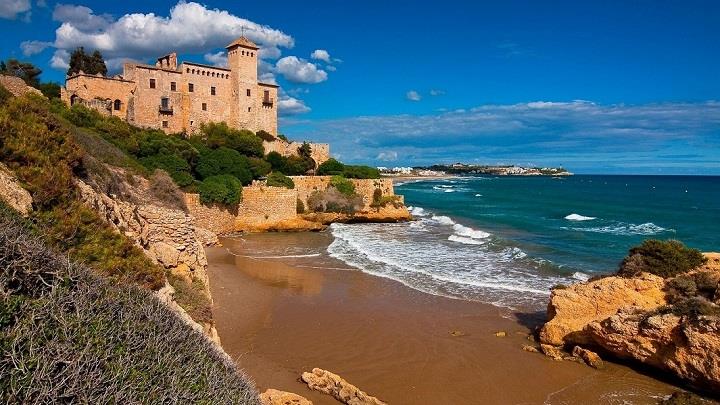
In fact, the castle of Altafulla still offers, today, a privileged and pre-eminent position, faithful to the conditions of the feudal occupation of the 11th century, as if it had been born from the same rock where it now rests. The building, with a triangular or trapezoidal plan, revolves around an interior courtyard, which originally functioned as a tower, to which other later structures were added. The construction retains the appearance of a fortification and is flanked by several towers with battlements and a jagged gate, elements that show a certain military functionality.
What to visit?
Vila Closa is the ancient walled medieval town. Most of the houses that can be seen there were built during the 18th century. In 1998, the Generalitat de Catalunya declared its historical and artistic ensemble a Cultural Property of National Interest.
Guided tours of the Barri Marítim and the Roman Village of Munts turn into a visit to Altafulla's Roman past and a rewarding tour through the unique neighborhood of Botigues de Mar.
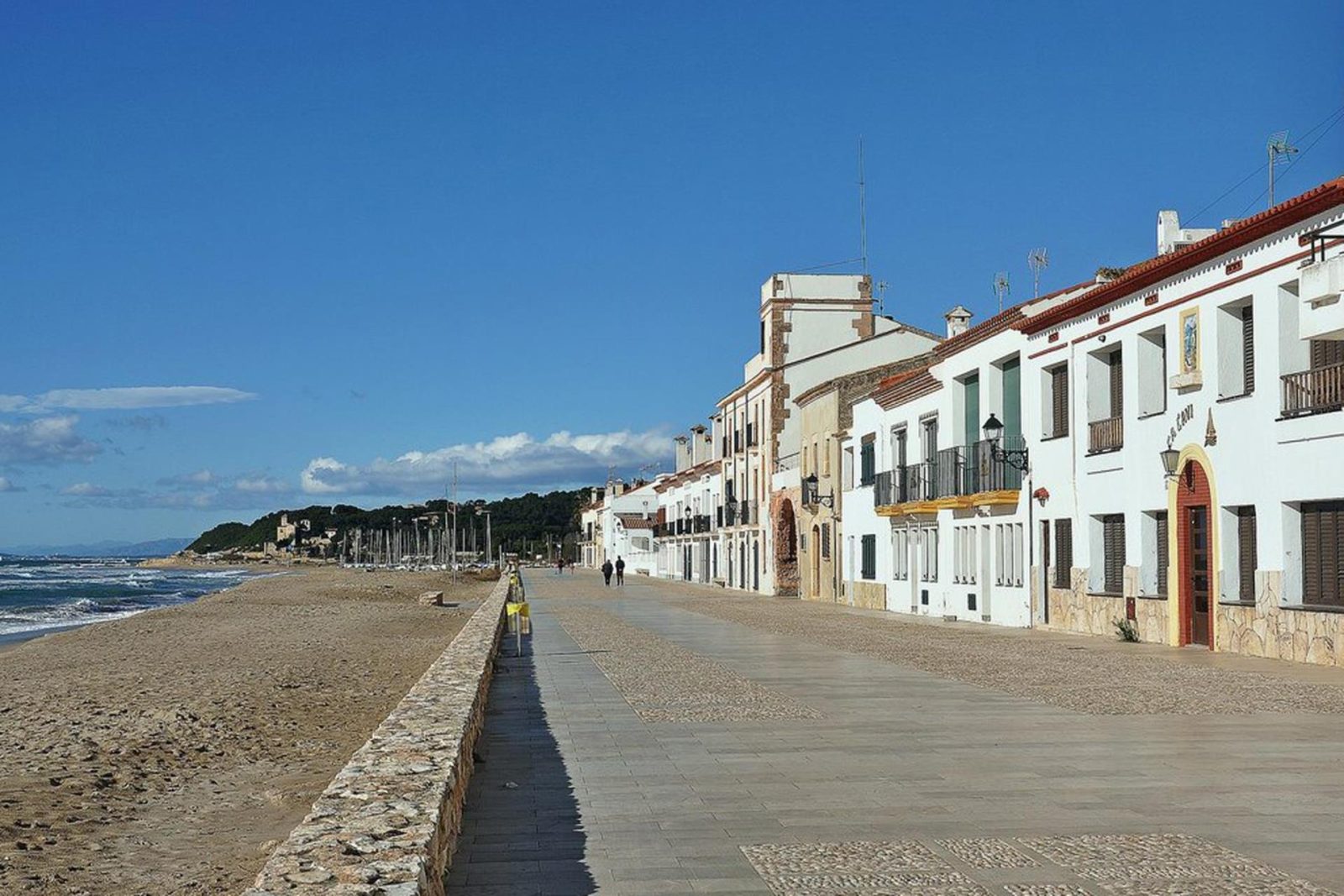
Altafulla is an emblematic and privileged town on the Costa Daurada, where you can enjoy the tranquility and beauty of a town with a great artistic and cultural heritage, and which brings together many vestiges that speak of its history: the Town Closa, the Roman village of Els Munts (declared a World Heritage Site by UNESCO) and the promenade, and where you can enjoy sporting, cultural and festive activities all year round.
Guided visits to Vila Closa, the Munts and the Maritime Quarter allow you to enjoy a whole day in Altafulla visiting our Roman past of the Roman villa of the Munts, strolling through Botigues de Mar and wandering through the Vila Closa , the medieval old town of Altafulla.
One of the other interesting routes in Altafulla is the Ronda Verda del Baix Gaià, which can be done either by bike or on foot. We start from the surroundings of the hermitage of Sant Antoni d'Altafulla, where we can complete a network of rural roads of around 30 kilometers that connects different towns that form the Agrupació de Municipis Turísticos del Baix Gaià, and which enhances the natural, landscape and tourist resources of the area. During this route, we can also appreciate the Ruta dels Castells del Baix Gaià, a numerous group of fortifications that evidence the Romanesque and medieval past of the territory.
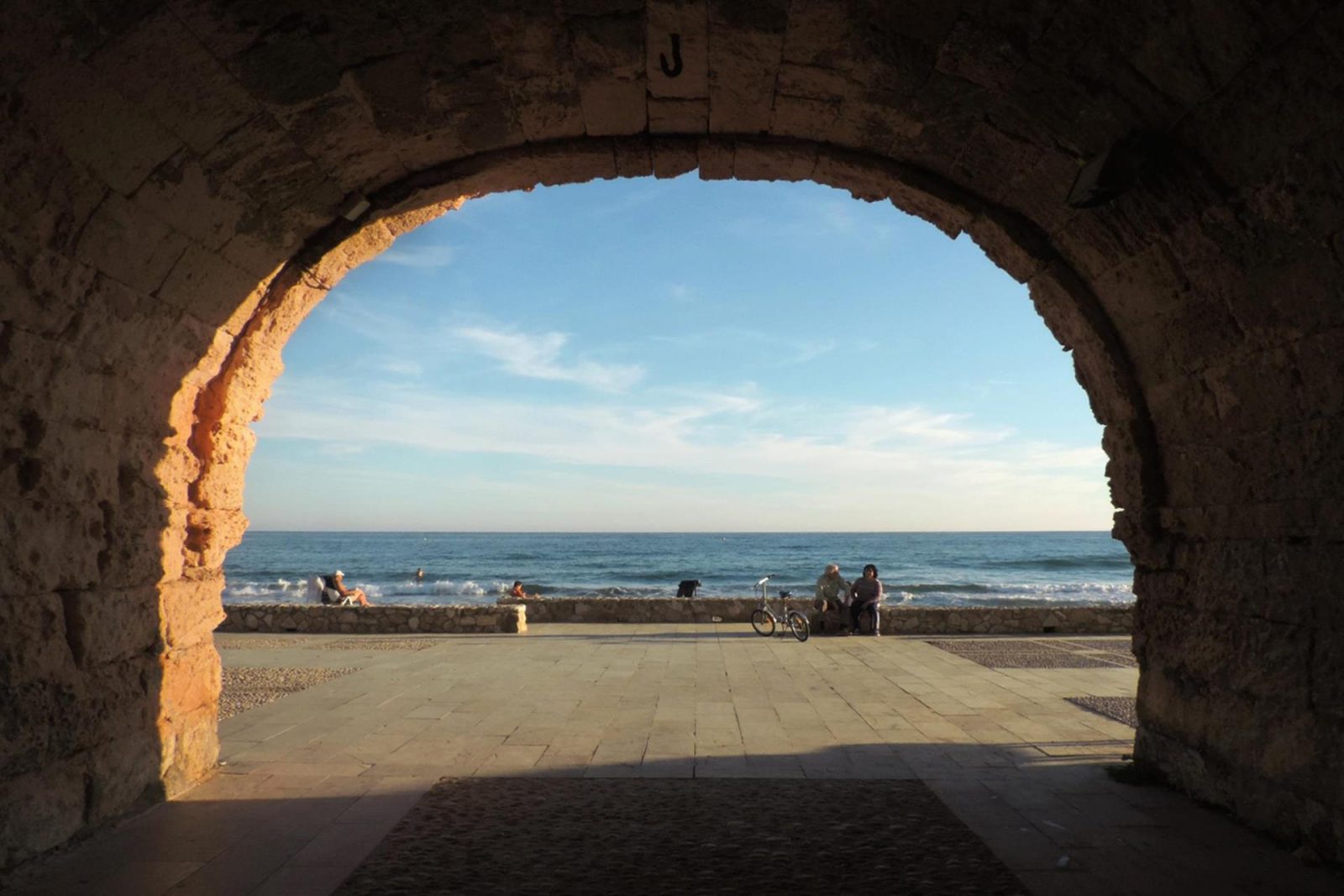
From Passeig Botigues de Mar we will approach the Vila Romana dels Munts and you will be able to discover our Roman past. In addition, following the coastline you will find Platja del Canyadell and a little further the Torredembarra lighthouse, the last one built in Spain, in 2000. The path also gives the option of approaching the mouth of the Gaià river, in the opposite direction to the Roman Village of Munts.
Altafulla Castle or Montserrat Castle is a castle-palace in Tarragonès that dates from 1059. "Between the 10th and 11th centuries, the final stretch of the Gaià River was the southernmost area of the network of castles and fortifications that, during nearly two hundred years, they marked the boundaries between the county of Barcelona and the territories that belonged to Al-Àndalus. Zone of war and dispute, many of these thousand-year-old fortifications have survived to this day. In the old center of Altafulla, the castle and the small towers, gates and noble houses from the era of splendor in the 17th and 18th centuries stand out.

Festivals and traditions
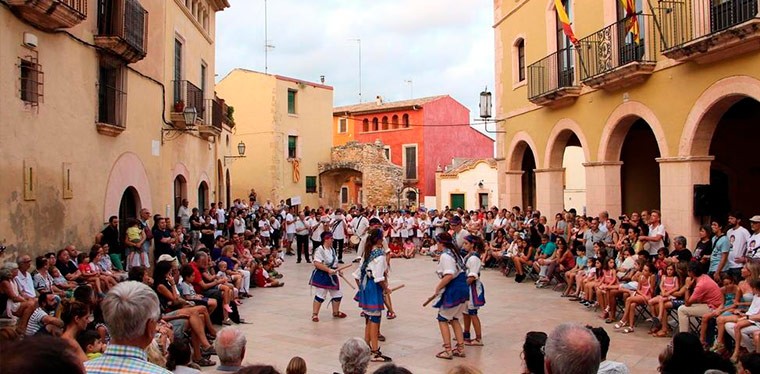
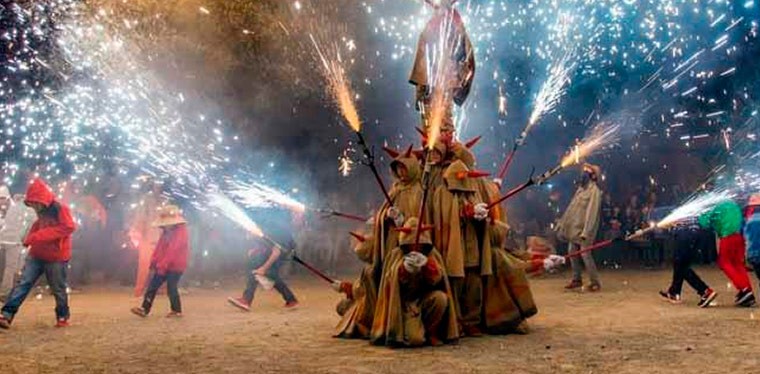
Activities, fairs and races:
- End of February: Carnival
- March: Festival of the Pot
- Easter: Way of the Cross
- August: National Music Festival
- November 11: Feast of Sant Martí
- December and January: Christmas and Kings Fair

Altafulla beach
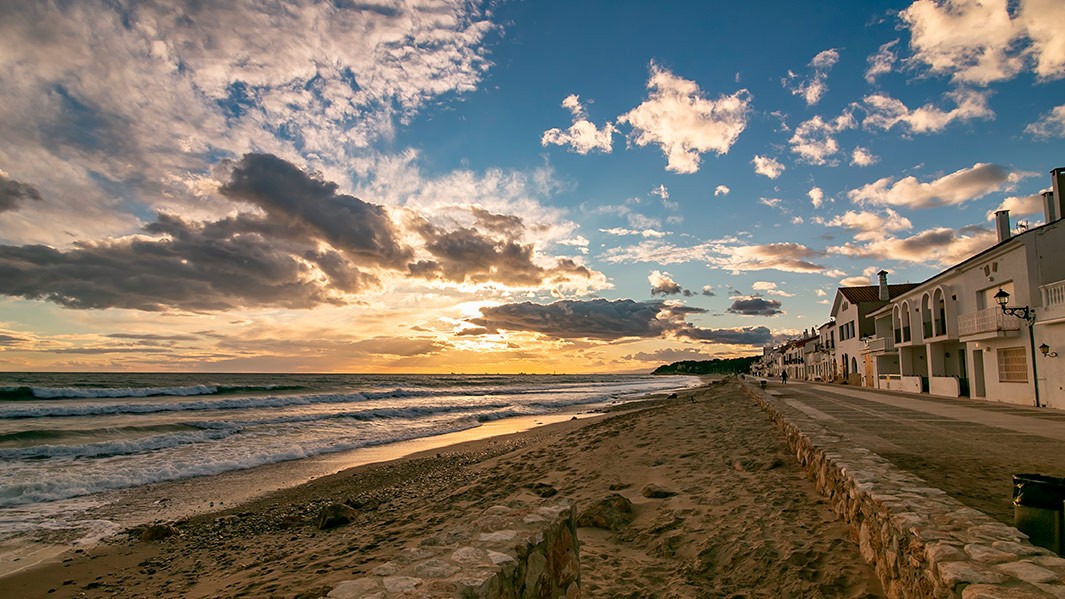
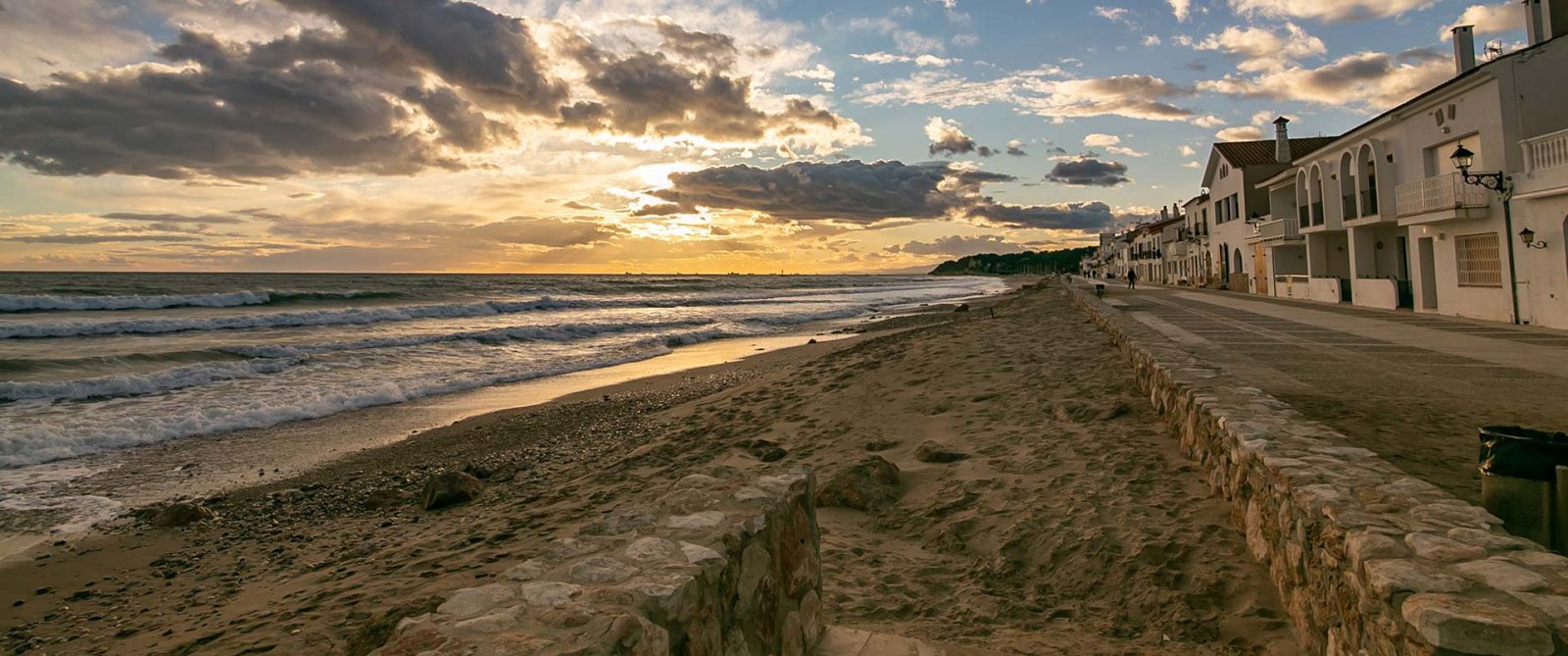
Altafulla Beach has a special charm, with its row of boats on the sand. It has the Blue Flag badge, has access for people with reduced mobility and various services.
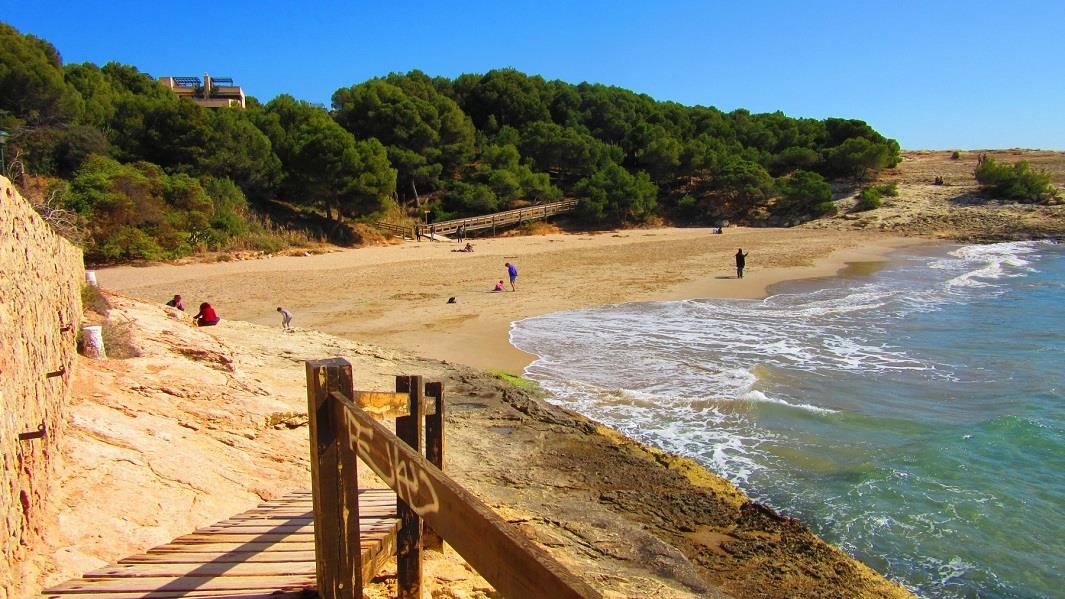
The cove or beach of Canyadell is located between the municipalities of Torredembarra and Altafulla, in the region of Tarragonès. The Canyadell beach in Altafulla enjoys great quality and tranquility, due to its fine and durable sand, accompanied by a good Mediterranean climate, and due to its unique small and semi-urban space. It is a small cove in the Roquer de Torredembarra area, with a length of 60 meters and a width of 35 meters.
Around the cove there are several points of interest. In the direction of Torredembarra, you can find the lighthouse of this town, known for being the last one built in all of Spain and the highest in Catalonia. In the direction of Altafulla, just over 500 meters from the cove, there are the remains of the Roman villa of the Munts, which date from the 1st century AD and have been declared a World Heritage Site by UNESCO as part of the archaeological complex of the Roman Tarraco.